Understanding Mold Inspections: Protecting Your Property Value
Mold can be a silent destroyer of property value, lurking in hidden corners and affecting the health of inhabitants. Many homeowners underestimate the importance of mold inspections, often waiting until they see visible signs of mold growth. However, proactive measures can save you from costly repairs and health issues down the line. This blog post will explore the significance of mold inspections, the process involved, and how they can protect your property value.
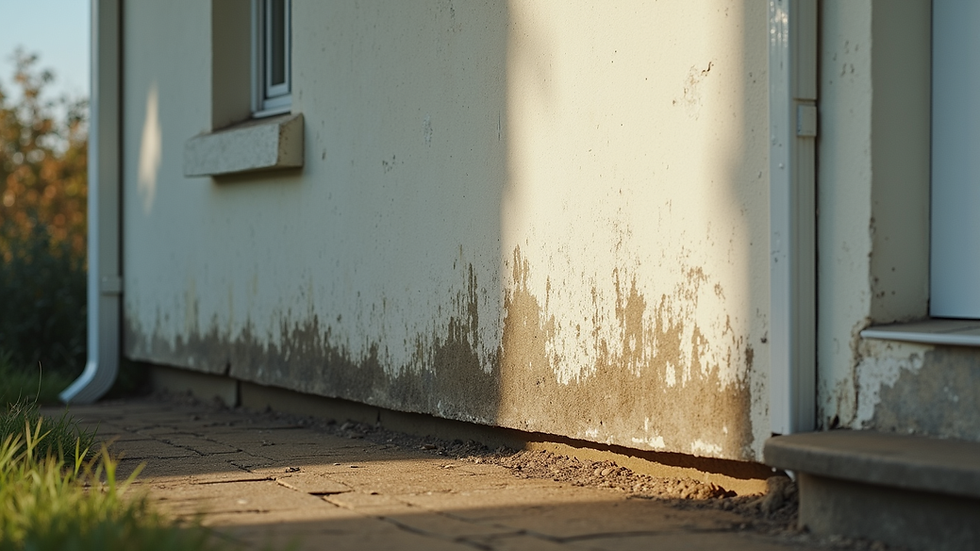
What is Mold and Why is it a Concern?
Mold is a type of fungus that thrives in damp environments. It reproduces through tiny spores that can easily become airborne and spread throughout a property. While some mold is harmless, others can pose serious health risks, particularly for individuals with respiratory issues, allergies, or weakened immune systems.
Health Risks Associated with Mold
Exposure to mold can lead to various health problems, including:
Respiratory Issues: Mold spores can irritate the lungs, leading to coughing, wheezing, and difficulty breathing.
Allergic Reactions: Many people are allergic to mold, experiencing symptoms like sneezing, runny nose, and skin rashes.
Toxic Reactions: Certain molds, such as black mold (Stachybotrys chartarum), produce mycotoxins that can cause severe health issues, including neurological problems.
Understanding these risks emphasizes the importance of regular mold inspections, especially in areas prone to moisture.
The Importance of Mold Inspections
Mold inspections are crucial for several reasons:
1. Early Detection
Mold can grow in hidden areas, such as behind walls, under carpets, or in attics. Regular inspections can help detect mold before it becomes a significant problem, allowing for timely remediation.
2. Protecting Property Value
A mold infestation can significantly decrease your property's value. Homes with mold issues often face lower appraisals, making it harder to sell. By investing in regular inspections, you can maintain your property's value and appeal to potential buyers.
3. Health and Safety
Ensuring a mold-free environment is vital for the health and safety of your family. Regular inspections help identify and mitigate risks, creating a healthier living space.
4. Insurance Benefits
Some insurance policies cover mold damage, but only if you can prove that you took preventive measures. Regular inspections can provide documentation that may be beneficial when filing a claim.
The Mold Inspection Process
Understanding the mold inspection process can help you prepare and know what to expect. Here’s a step-by-step breakdown:
Step 1: Visual Inspection
A certified mold inspector will conduct a thorough visual inspection of your property. They will look for signs of mold growth, water damage, and areas prone to moisture, such as:
Basements
Attics
Bathrooms
Kitchens
Step 2: Moisture Assessment
Inspectors use specialized tools to measure moisture levels in various materials. High moisture levels can indicate potential mold growth areas.
Step 3: Air Quality Testing
In some cases, air samples may be collected to analyze the presence of mold spores in the air. This step is crucial for identifying hidden mold problems.
Step 4: Surface Sampling
If mold is suspected, surface samples may be taken from walls, ceilings, or other surfaces to identify the type of mold present.
Step 5: Report and Recommendations
After the inspection, the inspector will provide a detailed report outlining their findings and recommendations for remediation if necessary.
How to Choose a Mold Inspector
Selecting the right mold inspector is essential for a thorough and accurate assessment. Here are some tips to help you choose:
1. Look for Certifications
Ensure the inspector is certified by a recognized organization, such as the Institute of Inspection, Cleaning and Restoration Certification (IICRC) or the National Association of Mold Professionals (NAMP).
2. Check Reviews and References
Research online reviews and ask for references from previous clients to gauge the inspector's reputation and reliability.
3. Ask About Their Process
Inquire about the inspection process, including the tools and methods they use. A thorough inspector should be transparent about their approach.
4. Get Multiple Quotes
Don't settle for the first inspector you find. Obtain quotes from several professionals to compare services and pricing.
Common Myths About Mold Inspections
Mold inspections are often surrounded by misconceptions. Here are some common myths debunked:
Myth 1: Mold Inspections are Only Necessary When You See Mold
While visible mold is a clear sign of a problem, mold can grow in hidden areas without any visible signs. Regular inspections can catch these hidden issues early.
Myth 2: All Mold is Dangerous
Not all mold is harmful. However, it’s essential to identify the type of mold present, as some can pose serious health risks. A professional inspection can help determine this.
Myth 3: Mold Can Be Completely Eliminated
While mold can be remediated, it’s nearly impossible to eliminate all mold spores from the environment. The goal is to manage and control mold growth effectively.
The Cost of Mold Inspections
The cost of mold inspections can vary based on several factors, including:
Location: Prices may differ based on regional demand and cost of living.
Size of the Property: Larger homes may require more time and resources for inspection.
Type of Inspection: Comprehensive inspections that include air quality testing may cost more than basic visual inspections.
On average, homeowners can expect to pay between $300 and $600 for a mold inspection. While this may seem like a significant investment, it can save you thousands in potential remediation costs and health issues.
DIY Mold Inspection: Is It Worth It?
Some homeowners may consider conducting their own mold inspections. While DIY inspections can help identify visible mold, they often lack the expertise and tools necessary for a thorough assessment. Here are some reasons why hiring a professional is advisable:
Expertise: Professionals have the training to identify mold types and assess potential health risks accurately.
Specialized Equipment: Inspectors use advanced tools to detect moisture levels and air quality, which may not be available to the average homeowner.
Comprehensive Reporting: A professional inspection provides a detailed report that can be beneficial for insurance purposes or future property sales.
Remediation: What Happens After an Inspection?
If mold is detected during the inspection, remediation is the next step. Here’s what to expect during the remediation process:
1. Containment
The affected area will be contained to prevent mold spores from spreading to other parts of the property.
2. Removal of Affected Materials
Damaged materials, such as drywall or carpeting, may need to be removed and disposed of properly.
3. Cleaning and Disinfection
Surfaces will be cleaned and disinfected to eliminate any remaining mold spores.
4. Repair and Restoration
After remediation, repairs will be made to restore the affected areas to their original condition.
5. Follow-Up Inspection
A follow-up inspection may be conducted to ensure that the mold has been effectively removed and that the environment is safe.
Preventing Mold Growth
Preventing mold growth is essential for maintaining a healthy home. Here are some practical tips:
Control Humidity: Keep indoor humidity levels below 60% using dehumidifiers and proper ventilation.
Fix Leaks Promptly: Address any plumbing leaks or water intrusion immediately to prevent moisture buildup.
Use Mold-Resistant Products: When renovating, consider using mold-resistant drywall and paints.
Regular Inspections: Schedule regular mold inspections to catch potential issues early.
Conclusion
Mold inspections are a vital part of property maintenance that can protect your investment and ensure a healthy living environment. By understanding the importance of these inspections, the process involved, and how to choose a qualified inspector, you can take proactive steps to safeguard your property value. Remember, early detection and prevention are key to avoiding costly repairs and health risks associated with mold. Don’t wait for visible signs; invest in a mold inspection today to protect your home and your family.


Comments